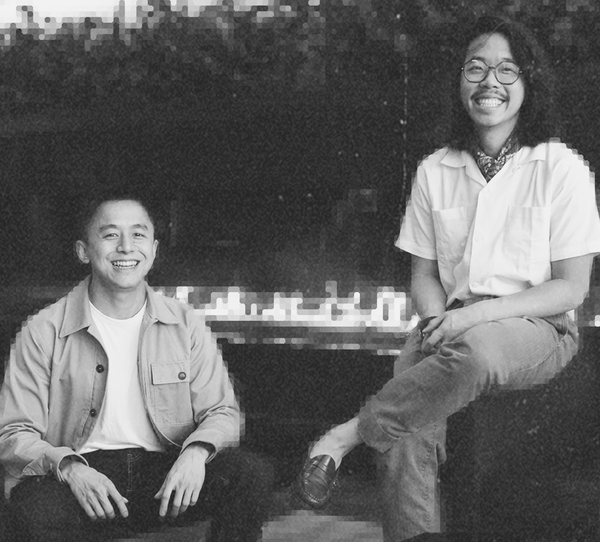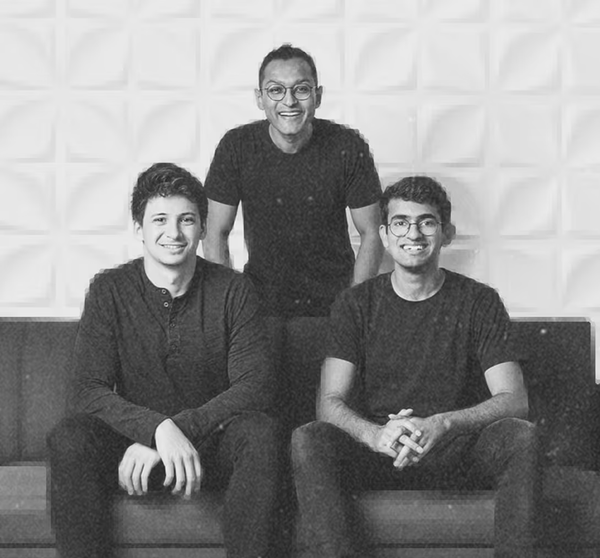
There’s a new generation of technical founders in the life sciences, combining scientific rigor with a background in code and AI. We’re betting Amplify Bio on the idea that a combination of high-throughput biology, powerful AI models, and founders fluent in both computing and life sciences are on the verge of unlocking a wave of innovation.
This new type of founder requires a new type of investor. To best identify, back, and support these chimeras, you’d need a unique and powerful combination of skills. You’d need to understand scientific research and how it works. You’d also need to understand startups. And ideally, know a thing or two about investing. Who could possibly meet these unreasonably diverse, multidisciplinary requirements?
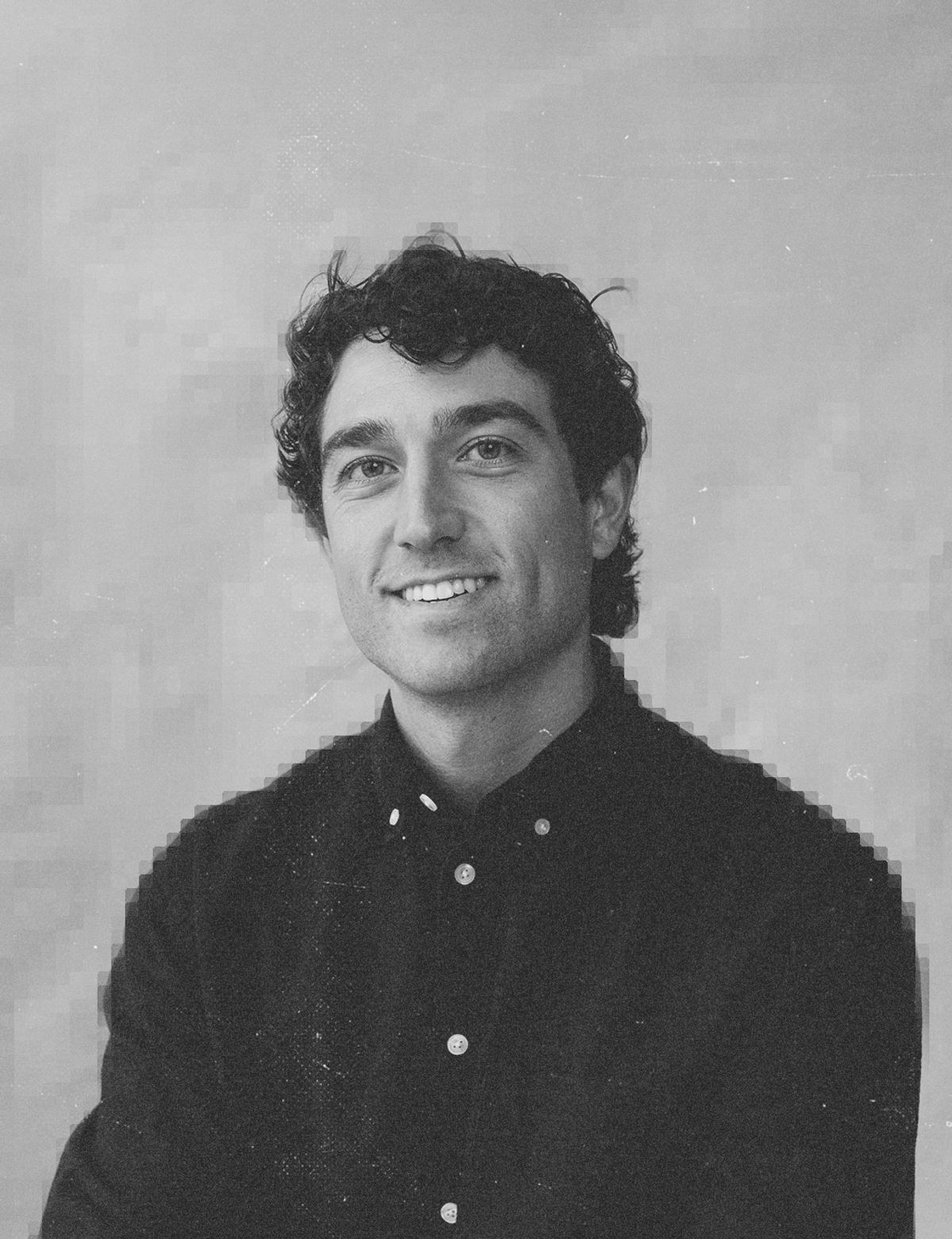
Luke Riggan could.
He started at the bench with his PhD at UCLA, where he studied natural killer cells: how they persist, why they fail, and how they can be engineered. That work led to a Nature Immunology paperThe transcription factor Fli1 restricts the formation of memory precursor NK cells during viral infectionNatural killer (NK) cells are innate lymphocytes that possess traits of adaptive immunity, such as memory formation. However, the molecular mechanisms by which NK cells persist to form memory cells are not well understood. Using single-cell RNA sequencing, we identified two distinct effector NK cell (NKeff) populations following mouse cytomegalovirus infection. Ly6C- memory precursor (MP) NK cells showed enhanced survival during the contraction phase in a Bcl2-dependent manner, and differentiated into Ly6C+ memory NK cells. MP NK cells exhibited distinct transcriptional and epigenetic signatures compared with Ly6C+ NKeff cells, with a core epigenetic signature shared with MP CD8+ T cells enriched in ETS1 and Fli1 DNA-binding motifs. Fli1 was induced by STAT5 signaling ex vivo, and increased levels of the pro-apoptotic factor Bim in early effector NK cells following viral infection. These results suggest that a NK cell-intrinsic checkpoint controlled by the transcription factor Fli1 limits MP NK formation by regulating early effector NK cell fitness during viral infection.PubMedView paper on NK-cell memory and a UCLA project showing that mature innate immune cells could be edited with CRISPR at 95% efficiency in less than a week. Scientific research: check.
After finishing his PhD, Luke co-founded a company. ImmunoVec asked whether this immune cell engineering could happen inside the body itself, with enough precision and control to become a medicine. ImmunoVec focused on synthetically designed cell-state-specific promoters, and the less glamorous but essential details of making genetic medicines behave predictably in humans. Startups: check.
Along the way, Luke got into early-stage investing at EGB Capital, where he backed founders working in synthetic biology, genomics, and new drug-development platforms. Investing: check.
And so Luke, like the founders Amplify Bio has backed at Boltz, Tahoe, Achira, Axiom, Bexorg, and others, represents the confluence of many different skills. Luke can go deep in the science without losing the company-building thread. He is curious, technically broad, and close to many of the founders and scientists doing the most interesting work today. He also likes the part we care about most: the messy early stretch, when the science is promising, the product is not obvious, and the founder needs help turning ambiguity into a small number of concrete choices.
We are incredibly excited to welcome Luke to Amplify, where he will continue to push the frontiers of biology and variations on black-on-black outfits.